


The Art of Afternoon Tea: Traditions and Etiquette for the Modern Host

Few rituals feel as gracious as afternoon tea. Delicate cups, tiered stands of sandwiches and sweets, and unhurried conversation create an occasion that feels special without being formal to the point of stiffness.
Whether you are hosting friends at home or joining a tea service at a fine hotel, a little knowledge of the tradition makes the experience even more delightful.
A Brief History of a Beloved Ritual
Afternoon tea is widely credited to Anna, the seventh Duchess of Bedford, in the 1840s. With dinner served late in the evening, she began taking tea and light refreshments in the late afternoon and soon invited friends to join her.
The custom spread through fashionable society and became a cherished social occasion. Today it remains a symbol of hospitality, celebrated everywhere from country homes to grand city hotels.
Setting a Beautiful Tea Table
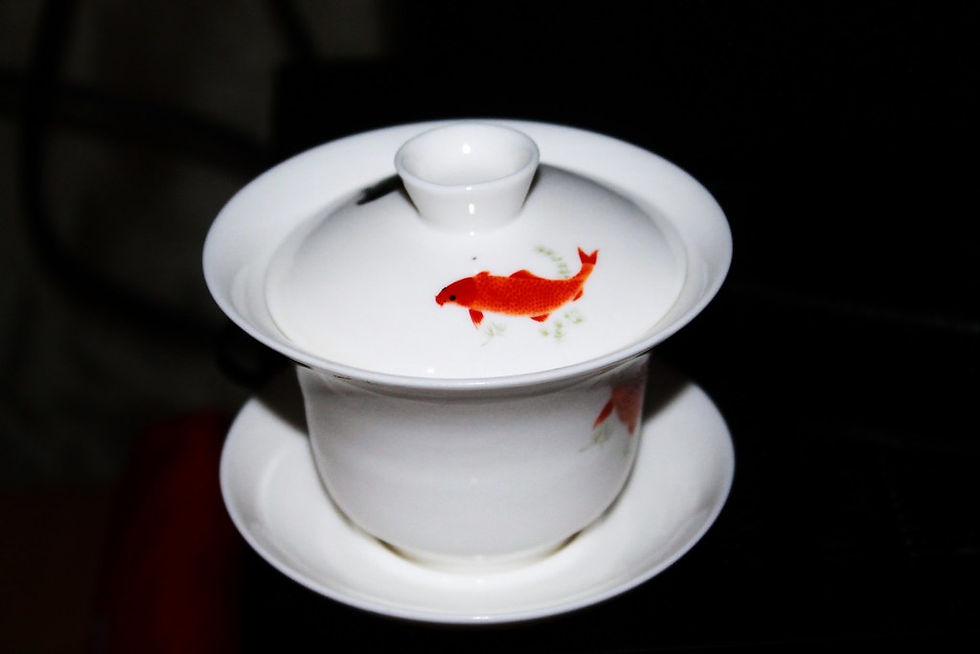
You need not own an heirloom service to set a lovely table. A pressed tablecloth, matching or thoughtfully mismatched china and a small arrangement of fresh flowers are enough to create a sense of occasion.
Each guest should have a cup and saucer, a small plate, a napkin, a teaspoon and a small knife for spreading. Place milk, sugar and sliced lemon within easy reach, along with a strainer if you are serving loose leaf tea.
The Classic Courses
A traditional afternoon tea is often served on a tiered stand and enjoyed from savory to sweet. The usual order is:
Finger sandwiches with the crusts removed, such as cucumber, egg and cress or smoked salmon.
Warm scones served with clotted cream and jam.
Small cakes, pastries and tarts to finish.
Keep portions small and bite sized. The pleasure of afternoon tea lies in variety and conversation, not in a heavy meal.
Brewing a proper pot
Warm the teapot with hot water first, then discard it. Use freshly boiled water for black teas and slightly cooler water for green or white teas. Follow the steeping time suggested for each tea, since oversteeping can make it bitter. Offering two choices, perhaps a classic black tea and a lighter herbal blend, suits most guests.
Graceful Manners at the Table
Good tea etiquette is mostly about ease and consideration. Stir gently without clinking the spoon against the cup, then rest the spoon on the saucer. Hold the cup by its handle and lift the saucer only when standing or seated away from the table.
Break scones by hand rather than cutting them, and add cream and jam to each piece as you eat. Whether cream or jam goes first is a friendly regional debate, so choose whichever you prefer. Above all, the host should keep cups filled and conversation flowing, while guests offer warm thanks before leaving.
Bringing the Ritual Home
Afternoon tea is a reminder that elegance lives in thoughtful details and generous attention. A small gathering on a quiet weekend can become a memory your guests treasure for years.
Set the table, warm the pot and invite someone you would like to know better. For more on etiquette, hospitality and gracious living, keep reading Duchess Magazine.


Comments